How to Support Struggling Students Without Burning Out

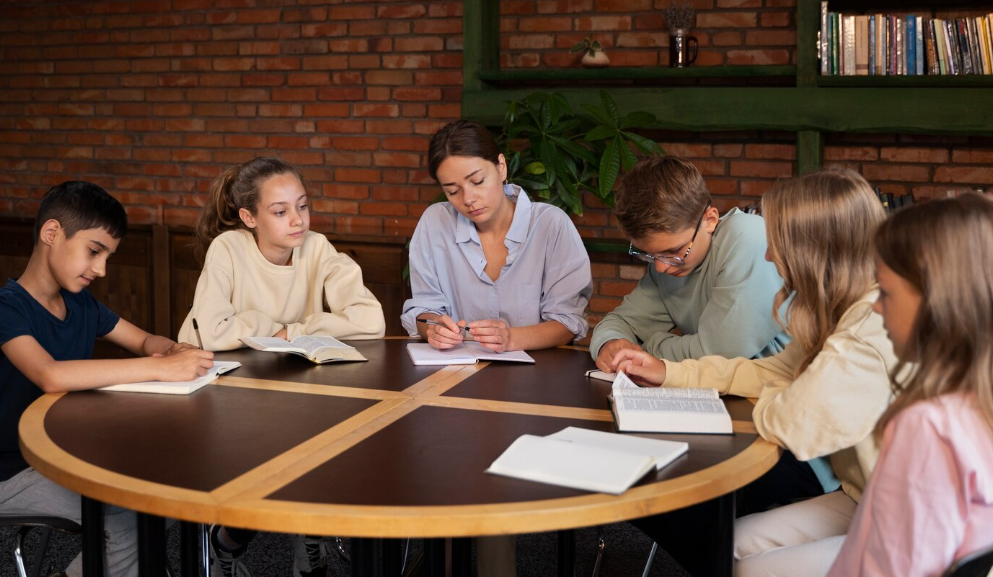
The goal is not to help less. It is helping in ways that are effective, scalable, and realistic enough to continue over time.
Most teachers want to support struggling students. That instinct is part of what draws many people into education. The challenge is that the need can feel endless.
There are always more gaps to close, more students to check on, and more individual problems than one person can solve alone. Without a sustainable approach, support can turn into exhaustion.
Identify Who Needs What
Not all struggling students need the same response. One student may need academic reteaching. Another needs organizational help. Another may understand the material but rarely completes work. And another may be dealing with stress outside of school.
When every student receives the same intervention, effort gets diluted.
Start by asking:
- Is the issue skill, motivation, behavior, attendance, confidence, or outside circumstances?
- What evidence do I have?
- What is the smallest useful next support?
Better diagnosis leads to better support and less wasted energy.
See What to Do When Students Just Don’t Care to compare different root causes.
Use Systems Instead of Heroics
Teachers burn out when support depends entirely on individual rescue efforts. Staying late every day, creating custom plans for everyone, and solving each problem manually is rarely sustainable.
Build repeatable systems instead:
- Weekly check-ins
- Missing work trackers
- Small-group reteaching
- Clear recovery procedures
- Templates for common feedback
- Office hours or support blocks
Systems reduce decision fatigue and make help available without requiring constant emergency mode.
Consistency often beats a dramatic one-time effort.
Read The Reality of Grading (And Why It Takes So Long) to reduce unsustainable teacher workload.
Prioritize High-Impact Support
Not every support action produces equal results. Focus first on strategies with the biggest likely payoff.
Examples:
- Clarifying instructions
- Breaking tasks into steps
- Providing guided practice
- Teaching study habits
- Helping students organize deadlines
- Reaching out early before failure compounds
Some well-timed basics can change outcomes more than elaborate interventions used too late.
When energy is limited, high-impact matters.
Build Student Ownership
Support should not mean doing the work of learning for students. If teachers bear all the responsibility, students may become more passive, while teachers become more exhausted.
Instead, involve students in the recovery process.
Ask:
- What is your next step?
- What is getting in the way?
- What can you finish by Friday?
- How will you remember this deadline?
Ownership builds independence. Even small shifts in responsibility can reduce repeated reliance on teacher rescue.
Explore How to Advocate for Yourself When Something Feels Unfair to reinforce student responsibility.
Use the Power of Small Groups
Individual support is valuable, but small-group support is often more efficient and equally effective.
Students with similar needs can review concepts together, practice skills, or receive targeted guidance in one setting. Peer discussion can also reduce shame and increase engagement.
One teacher can multiply impact by helping several students at once.
This approach protects time while expanding reach.
Collaborate With Others
Teachers are not meant to solve every challenge alone. Support staff, counselors, special educators, administrators, families, and colleagues may all have roles to play.
Share observations early. Ask for ideas. Coordinate support for student stress when appropriate. Refer issues that exceed your role.
Collaboration prevents one teacher from becoming the entire safety net.
Strong support systems are usually team efforts.
Protect Your Boundaries
Caring teachers often feel guilty when students continue struggling. But guilt is not a sustainable intervention model.
You can offer structure, instruction, encouragement, and opportunity. You cannot guarantee that every student will choose to engage or overcome every barrier immediately.
Set realistic limits on after-hours availability, emotional carrying, and the amount of extra labor you personally absorb.
Boundaries do not reduce care. They protect your ability to keep caring.
Check How to Set Boundaries With Students and Parents to protect your energy more consistently.
Sustainable Help Matters Most
Students need support, but they also need teachers who can stay steady over time.
That means the best support model is not the one that looks most heroic for one week. It is the one that can still function in October, January, and May.
Identify needs clearly, build systems, prioritize high-impact actions, share responsibility, and protect your energy.
Helping students and protecting yourself do not have to be opposites.